Cabin Air Filters: The $15 Part Your Dealer Charges $100 to Change
Weak AC in a heat wave? Musty smell? There is a decent chance the fix is a $15 filter behind your glove box and ten minutes of your time. Here is the honest cost math and how to do it.
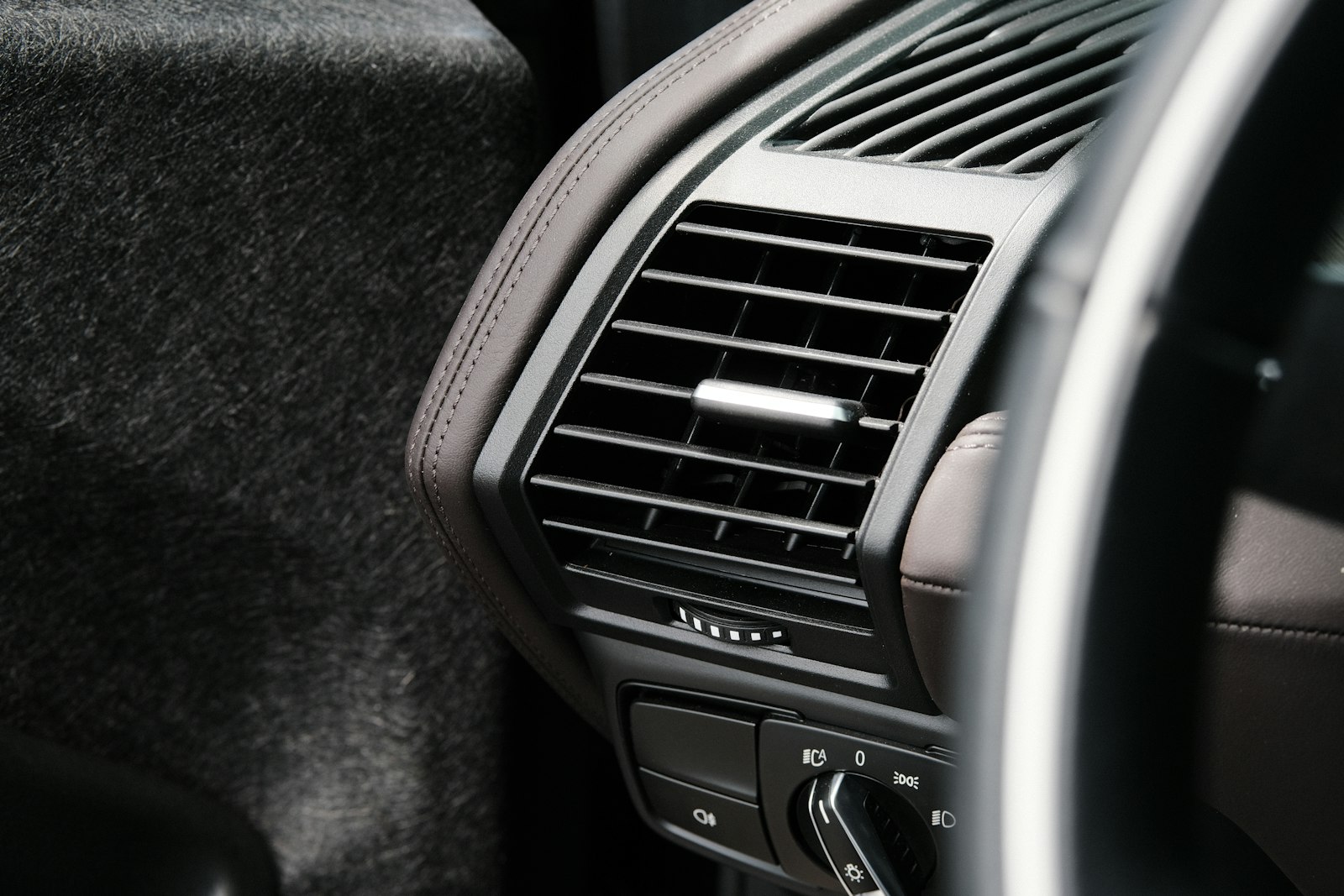
Somewhere on your last service invoice, between the oil change and the tire rotation, there was probably a line item that read "replace cabin air filter" with a number between $60 and $120 next to it. And somewhere in a warehouse, the part on that line was sitting in a box that costs about as much as lunch.
This is the easiest money you will save on car maintenance all year, and July, when your AC is fighting for its life, is exactly when it pays.
TL;DR: The cabin air filter cleans the air blowing through your vents, and a clogged one strangles your AC right when you need it most. Shops charge an average of $86 to $114 to replace it. The filter itself costs $10 to $40 online, lives behind the glove box in most cars, and takes five to ten minutes to swap with no tools. Do it yourself once a year, sooner if you drive in dust, pollen, or smoke.
What this thing actually does
Every car built in roughly the last two decades filters the air that enters the cabin, catching dust, pollen, exhaust soot, and whatever else the highway serves up before it reaches your lungs. The filter is a pleated paper rectangle, usually tucked behind the glove box, and it quietly loads up with grime until airflow through it collapses.
A clogged cabin filter is sneaky because it does not throw a warning light. It just makes everything slightly worse: vents that blow weaker than they used to, AC that takes forever to cool the car, a defroster that struggles on humid mornings, and sometimes a musty smell that no air freshener can outbluff. Left long enough, the extra strain can wear out the blower motor, which turns a $15 problem into a several-hundred-dollar one.
If your AC has felt lazy this summer, check this filter before assuming the worst. We covered the full cheap-fix checklist in why your car's AC is blowing warm air, and the cabin filter is the first stop on it.
The cost math that shops hope you skip
The average professional cabin air filter replacement runs $86 to $114. The spread comes from labor rates: independent shops bill around $50 to $100 an hour, quick-lube chains $60 to $110, and dealership service departments $100 to $180. For a job that usually amounts to opening the glove box and swapping a rectangle.
The part itself, bought online, is $10 to $40. In most vehicles the swap takes five to ten minutes and requires zero tools. This is not a "handy person" job. If you can load a paper tray, you are qualified.
Dealer service departments do not exactly go out of their way to correct the impression that this is complicated. One F-150 owner asked a dealership employee about his truck's cabin air filter during an oil change and got a memorable answer: "he went straight to the glove box looked around and said nope it does not have one" (Jf56, F150 Forum). The truck had one. It was behind the glove box he was looking in.
Which filter to buy
Three names cover almost everyone:
Budget done right: EPAuto cabin air filters. Usually $10 to $15, includes an activated carbon layer that helps with odors and exhaust smells, and covers a huge range of Toyota, Honda, Subaru, and other mainstream models. This is the default answer.
The odor fighter: FRAM Fresh Breeze. FRAM's filter uses an Arm and Hammer baking soda layer and claims to catch up to 98 percent of dust and pollen, with fitments for most vehicles built since 2000. If your complaint is smell as much as airflow, start here.
Buy once: K&N washable cabin filter. Costs several times more upfront, but you wash and reuse it instead of replacing it. The math works if you keep your cars a long time and actually remember to wash it.
Whichever you pick, buy by your exact year, make, and model. The filter listings all have fitment checkers, and a filter that almost fits seals almost none of the air.
How often, honestly
The standard advice is every 12,000 to 15,000 miles or once a year, whichever lands first. Real life adjusts that: heavy stop-and-go traffic, dusty roads, parking under trees, allergy-season pollen loads, and wildfire smoke all clog a filter faster. Smoke is the big one, and filter makers note that a bad smoke season can exhaust a standard filter in a few months. If you drove through one, the filter has probably already earned retirement, whatever the calendar says.
The nice part about the DIY price: at $12 a filter, changing it "too often" costs you about a dollar a month. The stakes for guessing wrong are low.
The ten-minute job
The typical swap: empty the glove box, squeeze or unclip its side stops so it swings all the way down, pull out the old filter tray, note which way the airflow arrow points, slide in the new one the same way, and put the glove box back. Your owner's manual has the exact steps, and for almost every model there is a two-minute video showing the exact clips.
Two small tips from everyone who has done it: have a trash bag ready, because the old filter emerges carrying a season of debris, and do not force any plastic clip that seems stuck. The clips are the only fragile part of the whole operation.
While you are in a maintenance mood: a fresh cabin filter is also one of the cheapest ways to make a car you are about to list smell like it has been cared for. We covered the rest of that pre-sale routine in detailing your car before you sell it. And if the dealer's ever-growing quote sheet is the real reason you found this article, that is a bigger question than one filter: run Sell or Keep and see what the maintenance trend is actually telling you.
Bottom line
The cabin air filter is the rare maintenance item where the honest advice is simple: never pay $100 for it. Spend $10 to $40 on the right filter for your car, give it ten minutes once a year, and enjoy AC that blows like it did when the car was new. Save the shop visits for jobs that need a lift.
FAQ
How often should you change your cabin air filter? Every 12,000 to 15,000 miles or about once a year for most drivers. Change it sooner if you drive in heavy traffic, on dusty roads, through pollen-heavy springs, or anywhere wildfire smoke has been in the air, since smoke can wear out a filter in months.
Does the cabin air filter affect AC performance? Directly. A clogged filter restricts the airflow your AC system pushes through the vents, which means weaker output, longer cool-down times, and a harder-working blower motor. It is one of the first things to check when AC feels weak.
Can I replace a cabin air filter myself? In most vehicles, yes, in five to ten minutes with no tools. The filter typically sits behind the glove box, which swings down once you release its side stops. Your owner's manual shows the exact location and steps.
What happens if you never change the cabin air filter? Airflow keeps dropping, the AC and defroster get progressively weaker, odors build up, and the blower motor works harder than designed, which can lead to premature failure. Nothing dramatic happens on any single day, which is exactly why so many filters go years past their limit.
Best Car Battery Charger 2026: Charger vs Maintainer vs Tender
Charger, maintainer, tender and trickle charger are four different things, and only one of them is safe to leave connected. Here is what the manufacturers actually say, plus the chargers worth buying in 2026 with prices pulled this week.
Winter Car Emergency Kit: What You Actually Need to Survive Getting Stranded in 2026
The no-fluff winter car emergency kit, built from what NHTSA, the National Weather Service, and AAA actually recommend. The few items worth real money, and the gimmicks to skip.
How to Winterize Your Car in 2026: What Actually Matters (and What to Skip)
A no-nonsense winter prep checklist for 2026. What to check, what to buy, what to pay a shop for, and the stuff that is a waste of money.