Is Ceramic Window Tint Worth It? Heat, Cost, and the Law in 2026
In a heat wave your car is an oven with cupholders. Here is what tint actually does for heat, what DIY versus pro really costs in 2026, and the state law trap that decides everything.
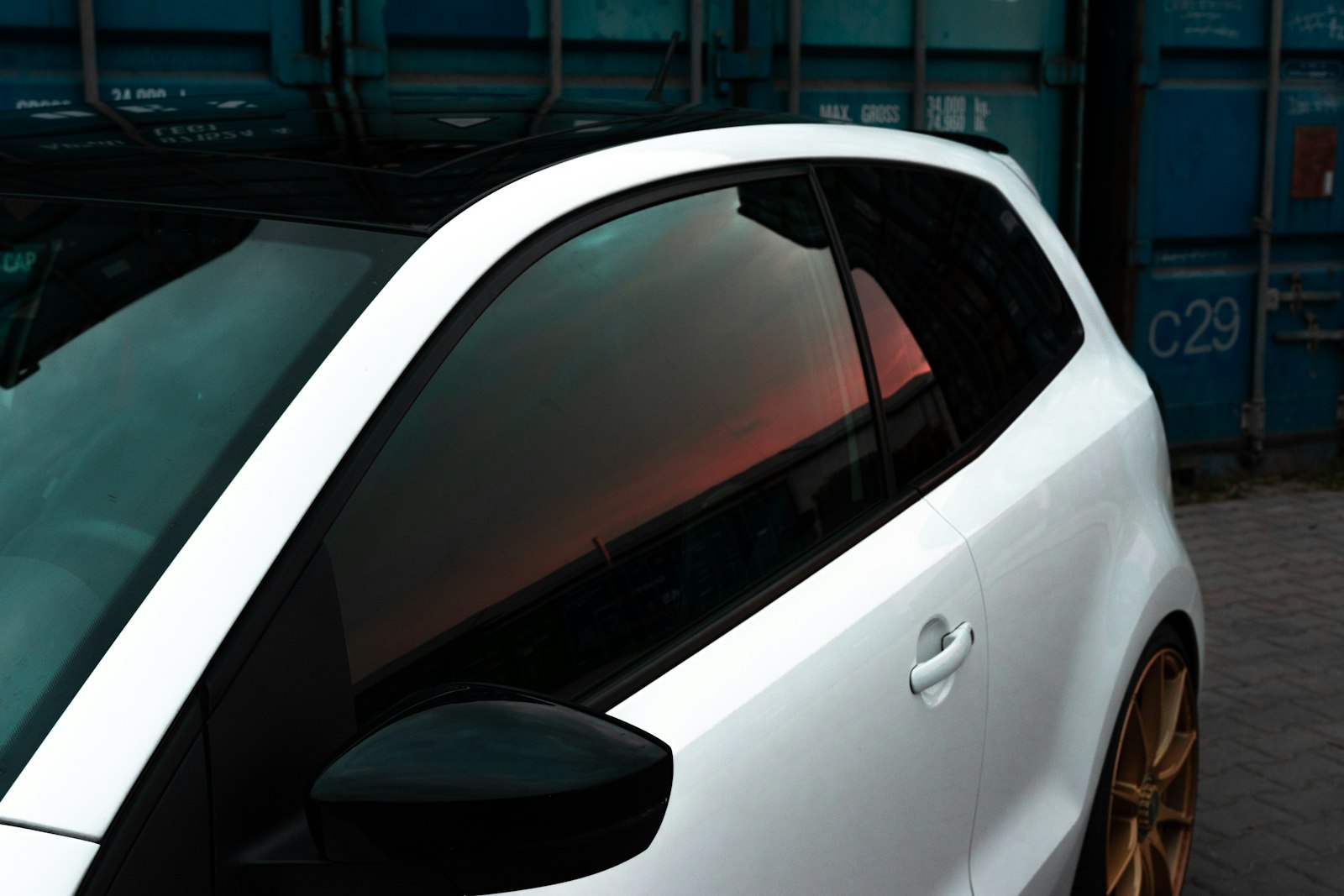
Every July the same discovery gets made in a thousand parking lots: the steering wheel is untouchable, the seatbelt buckle is a branding iron, and the AC spends its first ten minutes losing. Window tint is the one upgrade that fights this every single day you own the car, which is why the question spikes every heat wave: is the good stuff worth it, and can you do it yourself?
Money question. Our favorite kind.
TL;DR: Tint quality is about heat rejection technology, not darkness. Cheap dyed film blocks maybe 20 to 40 percent of solar heat; quality ceramic blocks 70 to 80 percent or more. A DIY ceramic precut kit runs about $100, a professional dyed job starts around $250, and a full pro ceramic install lands between $550 and $850 on a sedan. Before any of it, look up your state's legal limit for front windows, because that number decides your whole strategy.
The two numbers that matter
Every tint decision comes down to two specs that have nothing to do with each other.
VLT (visible light transmission) is how dark the film looks. 70 percent VLT is barely noticeable; 5 percent is limo glass. This is the number the law cares about.
Heat rejection is how much solar energy the film blocks, and it comes from the film's technology, not its darkness. Dyed film, the cheap stuff, blocks roughly 20 to 40 percent of solar heat. Nano-ceramic film blocks 70 to 80 percent or more, with premium ceramics rejecting 90-plus percent of infrared, the part of sunlight you feel as heat.
Here is the counterintuitive fact that reorganizes the whole purchase: a light 35 percent ceramic tint rejects more total heat than a blacked-out 5 percent dyed film. Darkness is cosmetic. Chemistry does the cooling.
The legal part that decides everything
Tint law is state by state, and the front side windows are where the rules bite. California, for example, requires front side windows to pass 70 percent of light, while letting you go as dark as you want behind the driver. Other states allow 35 percent up front, and a few allow darker. Fines, failed inspections, and pull-overs all live in that front-window number, so check your state's current VLT limit before buying anything.
This is exactly why ceramic exists as a category. If your state forces front windows to stay light, the only legal way to get real heat relief where you sit is film that blocks heat without blocking light. A nearly clear 70 percent ceramic up front does cooling work that no legal dyed film can match.
One more legal-adjacent warning: if the car is leased, think hard before tinting at all. Lease-end inspectors treat non-factory tint as a removal charge waiting to happen, and peeling film off glass is its own miserable afternoon. Our lease-end playbook covers what inspectors actually flag.
DIY versus pro: the honest math
The DIY route. Precut kits have gotten legitimately good. The MotoShield Pro precut ceramic kit runs about $100 for real nano-ceramic film cut to your exact vehicle, with a lifetime film warranty, and the manufacturer claims up to 99 percent infrared rejection. Amazon reviewers describe the film as thick but forgiving to work with, report noticeably cooler interiors, and one experienced installer clocked all six panels in about an hour. If you just want cheap darkness rather than maximum cooling, a Lexen precut carbon kit does the job for less.
The catch. Tint is a one-shot material applied to glass in a world full of dust. A single trapped speck is a permanent bump. Flat front side windows are beginner-friendly; the curved rear glass with defroster lines is where DIY jobs go to die, which is why even confident DIYers often do the sides themselves and pay a shop for the back window. Budget a heat gun, a squeegee kit, a dust-free garage, and more patience than you think.
The pro route. Professional installs in 2026 run $150 to $900 depending on vehicle and film. Most drivers pay $250 to $600, with full ceramic on a sedan typically $550 to $850 and big SUVs clearing $1,200. What you are buying is not just labor: it is the no-bubbles guarantee, the clean rear-window job, and usually a workmanship warranty on top of the film warranty.
The verdict math. Skip the middle. Either spend $100 on a precut ceramic kit and accept some imperfection, or pay for pro ceramic once and forget about it for a decade. The awkward zone is paying pro prices for bottom-tier dyed film that blocks barely more heat than bare glass and fades purple in three summers.
Who should buy what
Keeping the car for years in a hot state: pro ceramic is one of the rare car upgrades that pays you back daily, in cabin comfort, AC load, and protecting your interior from UV fade, which is also a resale story we covered in protecting your car from summer sun.
On a budget or renting your driveway to a lease: a $20 windshield shade does a surprising share of the work for zero legal risk, and our windshield sun shade guide covers the good ones.
Handy, patient, and the car is yours: the DIY ceramic kit on the side windows plus a shop rear window is the best cost-per-degree deal in the whole conversation.
About to sell or trade: do not tint. Aftermarket tint is a coin flip with the next buyer and an instant deduction with many dealers. If that is the real question you are circling, run Sell or Keep first and spend the $500 somewhere it returns.
Bottom line
In 2026 the tint market has quietly split: chemistry for people who want cooling, darkness for people who want looks. Buy heat rejection, respect your state's front-window number, and match the install method to your patience. A $100 ceramic precut kit done carefully beats a cheap pro dyed job, and a proper pro ceramic install beats everything except the day you get the bill.
FAQ
Does window tint actually block heat? Depends entirely on the film type. Basic dyed tint blocks roughly 20 to 40 percent of solar heat, while quality nano-ceramic film blocks 70 to 80 percent or more and rejects 90-plus percent of infrared. Two films that look identical can perform completely differently.
Is ceramic tint worth the extra cost? If you live somewhere hot or keep cars a long time, usually yes. Ceramic delivers real heat rejection even in light, street-legal shades, so it is the only option that cools the front of the cabin without breaking VLT laws. For a car you are selling soon, it rarely pays back.
What percentage of tint is legal? It varies by state, and front side windows are the strict part. California requires 70 percent VLT up front, many states sit around 35 percent, and rear windows are often unrestricted. Check your state's current limit before buying film, not after.
Can I tint my own car windows? The flat side windows, yes, especially with a precut kit and a dust-free garage. The curved rear window with defroster lines is the hard part and the most common DIY failure, which is why the popular hybrid move is DIY sides plus a professional rear glass.
Best Car Battery Charger 2026: Charger vs Maintainer vs Tender
Charger, maintainer, tender and trickle charger are four different things, and only one of them is safe to leave connected. Here is what the manufacturers actually say, plus the chargers worth buying in 2026 with prices pulled this week.
Best Car Covers (2026): Why Breathable Beats Waterproof
The best car cover is not the most waterproof one. Here is what the manufacturers actually say about breathability, what a cover really costs, and which covers are worth buying in 2026.
Best Car Seat Covers (2026): Check the Airbag Label First
Your seats probably have airbags in them, and not every cover is built to let those airbags out. Here is how to tell, what the three fit tiers really cost, and the covers worth buying in 2026.