Best Winter Tires for 2026 (What Actually Stops You on Ice)
The winter tires worth buying for the 2026 season, from premium ice-grippers to honest budget sets, plus why shopping in August beats the November scramble.
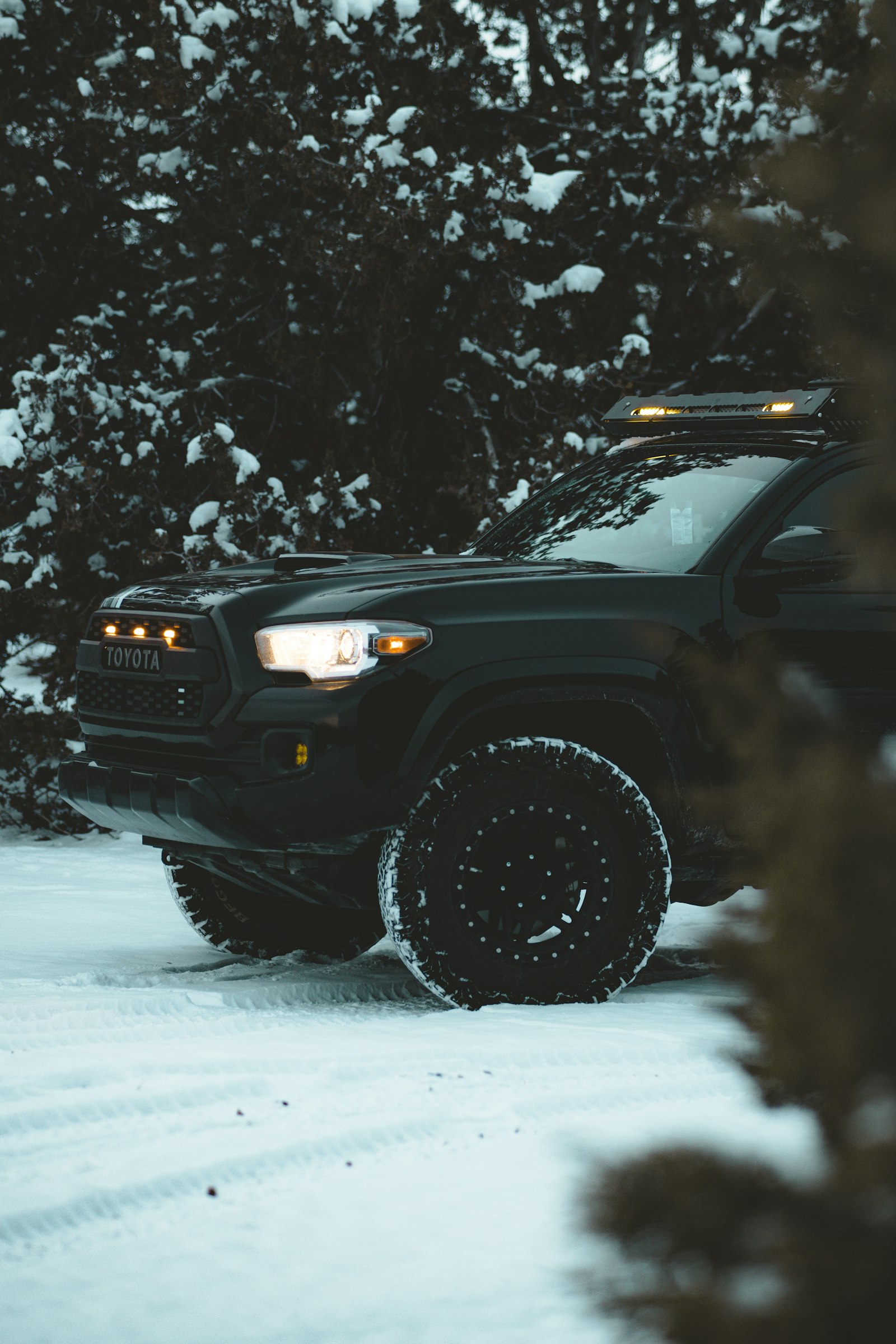
Buying winter tires in August feels a little unhinged, like putting up a Christmas tree in a tank top. But here is the math nobody tells you: by late October, the good sizes sell out, prices creep up, and every shop within an hour of you is booked solid the first week it snows. Buy now and you get your pick of the lineup, off-season pricing, and an installer who is not slammed. Future you, white-knuckling a hill in December, will be very grateful.
TL;DR: If you live somewhere that actually gets snow and ice, a dedicated set of winter tires is the single biggest safety upgrade you can bolt onto your car, and it costs less than one insurance deductible. The overall pick for most drivers is a premium studless tire that grips ice hard and lasts several seasons. Budget sets still crush any all-season in the cold. Buy four, not two, and shop before the season panic begins.
Why winter tires beat all-seasons (it is the rubber, not the tread)
People assume snow tires are about aggressive tread biting into snow. Tread helps, but the real magic is the rubber compound. Regular all-season and summer rubber gets stiff and glassy once the thermometer drops below about 45 degrees, so it stops gripping long before there is a single flake on the ground. Winter compounds stay soft and pliable in the cold, which is why they can actually claw into ice and packed snow while your all-seasons are basically skating.
That difference is not academic. The Federal Highway Administration counts roughly 1,300 people killed and more than 116,000 injured every year on snowy, slushy, or icy pavement, and about a quarter of all weather-related crashes happen on that kind of road surface. Shorter stopping distances are the whole ballgame here, and winter tires deliver them.
One quick shopping tip that saves you from marketing fog: look for the three-peak mountain snowflake symbol on the sidewall. That little icon means the tire actually passed a standardized severe-snow traction test. The older "M+S" (mud and snow) marking is just a tread-shape label with no test behind it, which is why plenty of all-seasons wear it while performing poorly in real winter. If you are curious how winter tires stack up against a good four-season set, our best all-season tires guide breaks down where each one wins.
The best winter tires for 2026
Best overall: Michelin X-Ice Snow
For most drivers in most winters, the Michelin X-Ice Snow is the one to beat. It is a studless tire that does the hardest thing well, which is stopping on ice, and it pairs that with a genuinely long tread life. Michelin calls it their longest-lasting winter tire and backs it with a 40,000 mile treadwear warranty, which is unusual in a category where most tires wear out in three or four seasons. It comes in well over a hundred sizes, including an SUV version for crossovers and trucks, and it is tuned to be quiet and easy on fuel and EV range. If you want to buy once and forget about it, start here.
Best on ice: Bridgestone Blizzak WS90
The Blizzak name is basically shorthand for snow tire, and the Bridgestone Blizzak WS90 earns it. Its multicell compound is built to bite into glare ice, and in independent testing it consistently posts some of the shortest ice-braking distances you can buy. The trade-off is that the softer, grippier compound wears a touch faster than the Michelin, so think of it as the pick for genuinely icy commutes rather than occasional snow. For cars and minivans in the ice belt, it is superb.
Best all-rounder: Continental VikingContact 8
The Continental VikingContact 8 is the tire that never finishes first in any single category and never finishes badly either, which makes it a smart middle path. Its PolarPlus compound stays flexible in deep cold, it carries both the Ice Grip and three-peak snowflake certifications, and Continental leaned hard into low road noise and efficiency, so it rides like a normal touring tire when the roads are just cold and wet. It fits cars, crossovers, SUVs, and EVs, and it is the pick if you want premium confidence without paying the absolute top dollar.
Best for brutal cold and EVs: Nokian Hakkapeliitta R5
Nokian is the Finnish brand that invented the winter tire, and the Nokian Hakkapeliitta R5 is what you buy when winter where you live is not a phase, it is a lifestyle. This studless Nordic tire is Ice Grip certified and comes in car, SUV, and EV-specific versions, many rated extra load to handle the extra weight of electric vehicles. If you deal with months of real snow and subzero cold, or you drive a heavy EV and want winter grip without wrecking your range, the R5 is a specialist worth the money.
Best value: General AltiMAX Arctic 12
Not everyone needs a premium tire, and the General AltiMAX Arctic 12 proves it. It carries the three-peak snowflake for severe snow, uses a directional tread that clears slush well, and it is studdable, meaning you can have metal studs pinned in for extra ice grip if your state allows them. General even backs it with a 72 month treadwear coverage, which is generous for a mid-priced winter tire. You give up a little refinement versus the premium names, but the cold-weather grip is the real deal for meaningfully less money.
Best budget: Firestone Winterforce 2
When the priority is getting through winter safely without spending premium money, the Firestone Winterforce 2 is the honest answer. It has a dedicated cold-weather compound, a three-peak snowflake rating, and it is studdable for extra ice traction. There is also a Winterforce 2 UV version built for pickups, CUVs, and SUVs, so a truck owner is covered too. It will not out-handle a Michelin on a dry cold highway, but on the snowy back road where it matters, it is dramatically safer than any all-season and kind to your wallet.
What a set really costs, and the smart way to buy
Winter tires cost more than a comparable all-season, and you are buying four, not swapping in two. Two winter tires on the front and all-seasons on the back is a genuinely dangerous setup, because the mismatched grip can swing the back end around in a corner. Every tire maker and safety agency says the same thing: run four matching winter tires or none.
The move that saves money over time is a second set of inexpensive steel wheels with your winters mounted on them. You swap the whole package yourself twice a year in the driveway, never pay a shop to dismount and remount rubber, and both sets last longer because each only works half the year. A winter set usually lasts three or four seasons. If your current all-seasons are also near the end, check our guide on when to replace tires before you spend.
One more cold-weather gotcha: tire pressure drops about one PSI for every 10 degrees the temperature falls, so the set that felt fine in September will be underinflated by the first hard freeze. Keep a good gauge in the glovebox and check monthly through winter. Our best tire pressure gauges roundup covers cheap ones that actually read accurately.
Bottom line
If you live where it snows and ices, winter tires are not a luxury, they are the cheapest serious safety upgrade you can make. Get the Michelin X-Ice Snow for the best all-around package and long life, the Bridgestone Blizzak WS90 if ice is your real enemy, and the General AltiMAX Arctic 12 or Firestone Winterforce 2 to keep it affordable without gambling on safety. Buy four, buy them now while sizes and appointments are easy, and mount them on their own wheels. If your winter car is old enough that new tires feel like throwing good money after bad, run it through our sell or keep tool first.
FAQ
Are winter tires really worth it if I already have all-season tires?
Yes, if you regularly drive in snow or below-freezing temperatures. All-season rubber hardens and loses grip under about 45 degrees, so even in dry cold your stopping distance grows. Winter tires stay soft and grip ice and snow far better, and a single avoided fender-bender usually costs more than the tires.
Do I need four winter tires or can I just put two on the drive wheels?
Always run four matching winter tires. Putting winters on only two wheels creates a big grip mismatch that can make the untreated end slide out in a corner, which is more dangerous than four all-seasons. Tire makers and safety agencies are unanimous on this.
Studded or studless winter tires, which should I get?
For most drivers, studless is the better choice. Modern studless compounds grip ice impressively, run quietly, and are legal everywhere. Studs add extra bite on glare ice but are noisy on bare pavement, wear the road, and are restricted or banned in some states, so check your local rules before choosing a studdable tire.
When should I put winter tires on and take them off?
A good rule of thumb is to mount them once daily highs consistently drop below about 45 degrees, usually late October or November in most snowy regions, and take them off once spring temperatures stay above that mark. Running winter tires through hot summer months wears the soft compound down fast, so swap them back to all-seasons when it warms up.
The Best Windshield De-Icer for 2026 (The $6 Spray That Beats Ten Cold Minutes and a Cracked Windshield)
A can of de-icer clears a frozen windshield in under a minute, and it costs less than a coffee. Here are the sprays and fluids worth keeping in your trunk, the AAA-backed DIY mix that costs pennies, and the hot-water mistake that can turn a frosty morning into a $400 glass bill.
Best Snow Socks for Tires (2026): The Textile Chain Alternative That Fits Your Car
Snow socks slip on in three minutes, cost less than a tank of gas, and get a low-clearance car moving in snow when chains will not fit. Here is which ones to buy, which car each suits, and when to skip socks for chains or winter tires instead.
The Best Remote Car Starters for 2026 (Skip the Dealer's $500 Warm-Up)
Aftermarket remote start done right in 2026, from a DIY kit that runs off your own key fob to a pro-installed system with a lifetime warranty, plus how to dodge the dealer markup.