Best Headlight Bulbs for 2026 (See More Road Before the Clocks Fall Back)
Dim factory headlights are the cheapest safety upgrade most drivers ignore. Here are the halogen bulbs worth buying, the truth about 40,000-lumen LEDs, and the legality catch nobody mentions.
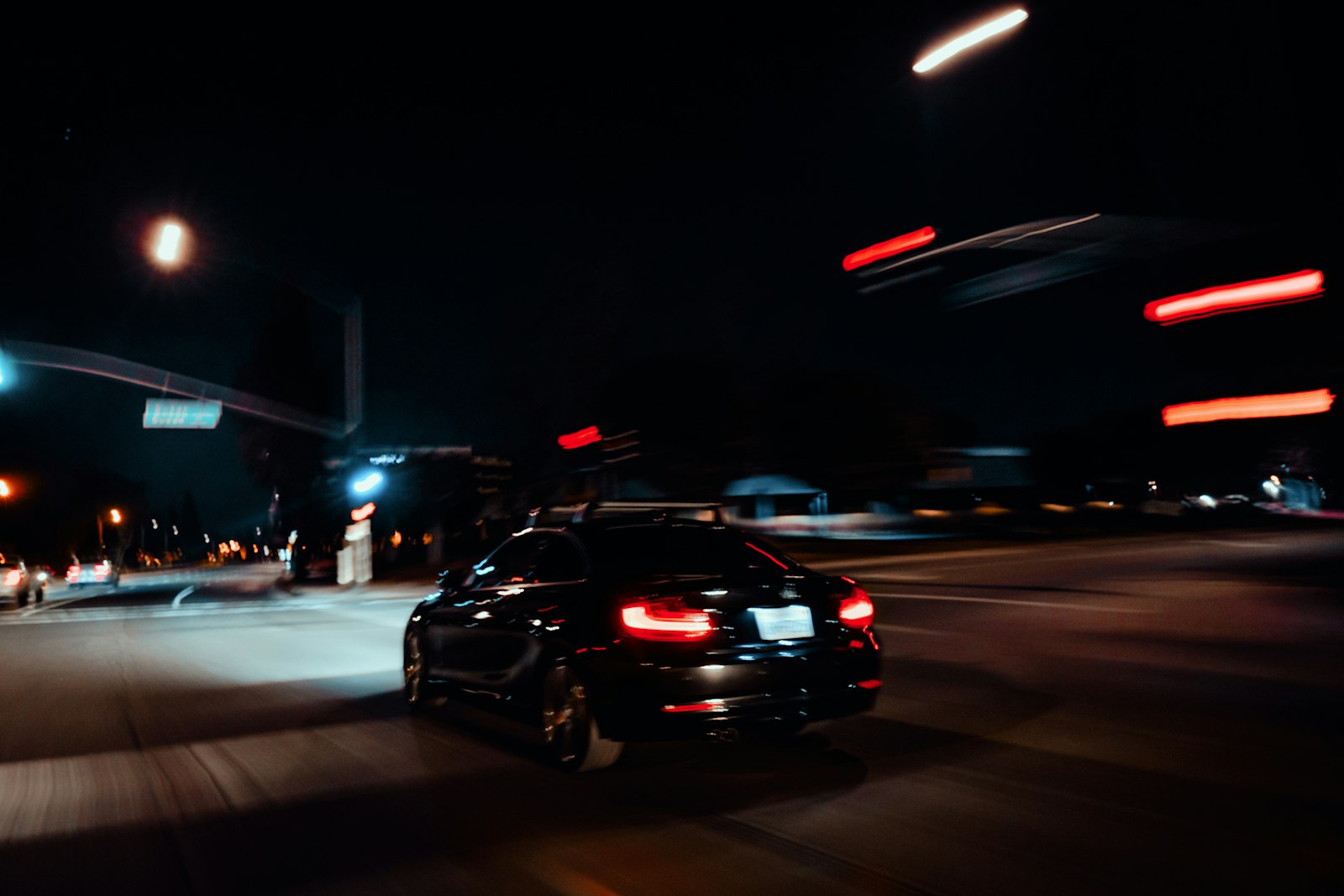
Nobody thinks about their headlights until the night a deer steps into the edge of the beam with no time left to react. Fall is exactly when that happens. Deer move most at dawn and dusk during the October-to-December rut, the clocks fall back on November 1 and drop your evening commute straight into the dark, and the bulbs in your car have quietly faded a little more every year since you drove off the lot.
The numbers back up the timing. The Insurance Information Institute counts more than 1.6 million deer-vehicle collisions a year, roughly 3.6 billion dollars in damage, and it calls fall the peak season with November the single worst month. More than 80 percent of those crashes happen outside daylight hours, and researchers have found deer collisions jump about 16 percent in the week after clocks fall back. Better light will not stop a deer from being dumb. It buys you the half-second to not be.
TL;DR: New headlight bulbs are the cheapest safety upgrade on your car, and most people are driving on dim, years-old glass without knowing it. If you want the brightest legal, plug-and-play answer, a premium halogen bulb is the move, and there are three worth buying below. LED "upgrade" bulbs are everywhere and their boxes scream 40,000 lumens, but dropped into a housing built for halogen they are usually not street legal and can blind everyone coming the other way. Below we sort the halogen picks, explain when an LED actually makes sense, and show you how to find your exact bulb size in about a minute.
Your headlights are dimmer than you think
Halogen bulbs do not just die, they fade. The filament loses output for years before it ever burns out, so the light gets weaker at a pace so gradual your eyes adjust and never notice. That slow dimming is why a fresh set of bulbs can feel like a headlight transplant even on a car you thought was fine.
Two rules save you grief. First, always replace bulbs in pairs. Sylvania, the largest aftermarket bulb brand in the country, makes the case plainly: a bright new bulb next to a tired old one throws uneven light, and since both bulbs have burned the same hours, the second one is usually not far behind the first. Second, make sure the problem is actually the bulb. If your lenses have gone cloudy and yellow, new bulbs will just light up the haze from the inside. Fix the lens first with one of our best headlight restoration kits, then decide if you even need bulbs.
First, find your bulb size (it takes a minute)
Every car uses a specific bulb size, and getting it wrong turns a ten-minute job into a return trip. The size is a code like 9005, 9006, H11, H7, H13, or 9007, and you can find it three ways: printed on the base of your old bulb, listed in the owner's manual, or looked up on the Sylvania or Philips online bulb finder by year, make, and model. Some cars use one size for low beams and another for high beams, so check both.
The best halogen upgrades: bright, legal, and truly plug-and-play
Here is the honest tradeoff with performance halogens. They make more, whiter light by running the filament hotter, which means they do not last as long. That is the deal across every brand: you trade some lifespan for a lot more visibility, and for most drivers that is worth making.
Best overall: SYLVANIA SilverStar Ultra
The SYLVANIA SilverStar Ultra is the top halogen most people should buy. Sylvania builds it to throw light farther down the road, whiter, and wider to the sides than a basic bulb, and it comes in just about every bulb size you could need for around 60 dollars a pair. The catch is the one every whiter, brighter halogen shares: expect to swap them again sooner than a plain bulb. For a nighttime jump you notice the first drive home, that is a fair price.
Best value: SYLVANIA XtraVision
If you want more light without paying for the whiter color, the SYLVANIA XtraVision is the smart-money pick. It pushes more light down the road than a basic bulb, skips the blue-white tint, and because it is not run as hard as the whitest performance bulbs, it tends to last longer too. It is usually the cheapest of the three here. Buy this one if you care about seeing more and do not care about the color of the light.
Best maximum output: Philips X-tremeVision
The Philips X-tremeVision is the brightest halogen we would put in a car, and Philips lists it as DOT compliant, so it is fully legal on the road. Philips rates it at up to 100 percent more vision, though read that number honestly: it is measured against the legal-minimum baseline, not against your current bulb. Real-world, it is a whiter, longer-reaching beam on par with the SilverStar Ultra, so choose whichever is cheaper in your bulb size.
About those 40,000-lumen LED bulbs
Search "brightest headlight bulb" and you will drown in LED kits promising 40,000 lumens for 40 bucks. Two things to know before you buy one.
First, the legality. The NHTSA has not approved a single aftermarket LED bulb as a legal replacement for a halogen bulb in a housing that was built for halogen. The reason is physical: a reflector housing is shaped to bounce light off a halogen filament sitting in a precise spot, and an LED's chips sit in a different place and scatter that light everywhere, including straight into the eyes of oncoming drivers. "DOT approved" printed on the box means nothing for this use. The only fully legal LED path is a complete, DOT-stamped headlight assembly, not a bulb dropped into your old housing.
Second, the lumen math is fiction. A bulb drawing around 45 watts cannot physically produce 40,000 lumens. Even at generous LED efficiency you are looking at a few thousand lumens per bulb at the very most, so treat any five-figure lumen claim as marketing noise. The real problem with a cheap LED is never that it is dim. It is that the light lands in all the wrong places.
So when does an LED make sense? Projector housings handle LEDs far better than reflectors. Off-road or track use takes the legality question off the table. And some drivers simply accept the tradeoff and aim the beams carefully. If that is you, two reputable options stand out. The SEALIGHT Scoparc S1 is the popular value pick, a fanless, passively cooled bulb that installs in minutes. Step up to a HIKARI LED kit for a brighter output and a better-built heat sink. Just go in clear-eyed about the housing and the law.
What owners say
One experienced Tacoma owner laid out the tradeoff cleanly on Tacoma World: "They are whiter and brighter but will not last as long." His advice for anyone chasing longevity over output was blunter: "If you want a bulb that's gonna last you 5 years, choose something else."
Bottom line
Most drivers should put a set of SilverStar Ultra bulbs in and stop thinking about it, or drop to the XtraVision to save money and still see far more than they do now. Want the most legal light you can get and do not mind paying for it? The Philips X-tremeVision is the one. Only reach for an LED if you run projector housings or genuinely accept the legal and glare tradeoff, and always clean a cloudy lens before you blame the bulb. Bulbs are a 30-dollar fix, but if your headlights are just the latest thing on a growing repair list, it might be time to run the numbers with our free Sell or Keep tool. And while you are prepping for darker, colder drives, a stocked emergency roadside kit belongs in the trunk too.
FAQ
Are LED headlight bulbs legal? Not as a drop-in replacement in a housing built for halogen. The NHTSA has never approved an aftermarket LED bulb for that use, and in a reflector housing they scatter light and blind oncoming drivers, which is why "DOT approved" on the box is basically meaningless. The only fully legal LED is a complete, DOT-stamped headlight assembly, or an LED that fits a projector housing designed for it.
What is the brightest legal headlight bulb? A premium halogen like the Philips X-tremeVision or SYLVANIA SilverStar Ultra, both of which are street legal and truly plug-and-play. Just know that whiter is not always brighter, since a bulb can look cooler in color while actually throwing the same or less usable light, so read the fine print rather than the marketing.
How often should you replace headlight bulbs? Replace them the moment one dims noticeably or burns out, and always do both sides at once so your light stays even. Performance halogens trade lifespan for brightness, so a whiter, brighter bulb may need swapping in a year or so of heavy night driving, while a basic bulb can run longer.
Why are my headlights so dim even with new bulbs? Nine times out of ten it is the lens, not the bulb. Years of sun haze the plastic yellow and cloudy, and new bulbs just light up that fog from behind, so a restoration kit fixes more than a bulb swap would. If the lenses are clear and it is still dim, suspect a weak ground or low voltage in the headlight circuit.
The Best Windshield De-Icer for 2026 (The $6 Spray That Beats Ten Cold Minutes and a Cracked Windshield)
A can of de-icer clears a frozen windshield in under a minute, and it costs less than a coffee. Here are the sprays and fluids worth keeping in your trunk, the AAA-backed DIY mix that costs pennies, and the hot-water mistake that can turn a frosty morning into a $400 glass bill.
Best Snow Socks for Tires (2026): The Textile Chain Alternative That Fits Your Car
Snow socks slip on in three minutes, cost less than a tank of gas, and get a low-clearance car moving in snow when chains will not fit. Here is which ones to buy, which car each suits, and when to skip socks for chains or winter tires instead.
The Best Remote Car Starters for 2026 (Skip the Dealer's $500 Warm-Up)
Aftermarket remote start done right in 2026, from a DIY kit that runs off your own key fob to a pro-installed system with a lifetime warranty, plus how to dodge the dealer markup.